The Creative Journey of a Gallery Representation Digital Artist Explained
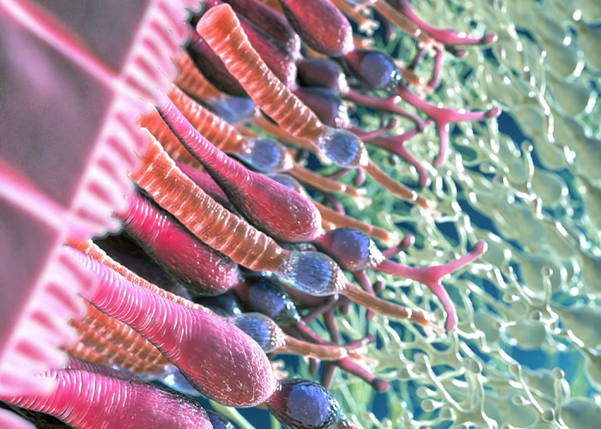
A gallery representation digital artist is a professional creator whose computer-made works are officially managed and sold by a real-world or online art gallery. This partnership means the gallery acts as a link between the artist and serious buyers.
They provide professional proof that the art is high quality and help set its place in the market. For a creator, becoming a gallery representation digital artist means moving from a hobby to a recognized professional career in the global art world.
The Path to Anatomy Inspired Digital Art
The journey of a digital artist often starts with a strong interest in how science and art meet. Anatomy inspired digital art is a special type of art that turns body structures, like cells and nerves, into beautiful visual stories. This process needs more than just computer skills. It requires a deep understanding of how the body is built and the ability to show those forms in a new, creative way.
Artists in this field usually spend years practicing their craft. They test different lights and textures to make tiny, microscopic worlds feel real. According to the Hiscox Online Art Market Report, there is a steady increase in people wanting to buy digital art that shows a modern view of traditional subjects. This creative path is about finding beauty in the working parts of the human body and showing them in a way that people can feel.
While this work brings great joy, it takes a lot of time. Artists must find a balance between being scientifically correct and being creative. However, the result is a unique collection of work that stands out. This eventually gets the attention of top art experts who choose what to show in galleries.
Pros and Cons of Being a Gallery Representation Digital Artist
Working with a gallery changes how an artist spends their time and money. One of the biggest pluses is professional marketing. The gallery uses its own money and contacts to show your work to big buyers. This lets the artist spend more time on their anatomy inspired digital art instead of worrying about office tasks like taxes or shipping.
However, there are some downsides to think about. Galleries usually take a part of the money from each sale, often between 30% and 50%. Also, being a gallery representation digital artist sometimes means the gallery gets the first choice of your new work before anyone else can see it.
Even with these costs, the Artsy Gallery Insights report shows that buyers are more willing to pay higher prices for digital art when a gallery checks it first. For many, selling more art at higher prices is worth the cost of the gallery's fee. This helps the artist stay financially safe over the long term.
How Digital Art is Managed and Collected
The professional art world has set rules for handling digital art so it keeps its value over time. When a gallery represents a digital artist, they use several steps to protect the buyer's money.
· Limited Editions: Artists only make a small number of high-quality prints, so the art stays rare.
· Certificates of Authenticity: Every piece comes with a paper that proves who made it and which number it is in the set.
· High Quality Standards: Work is often printed using special inks and paper that will not fade or turn yellow, so it lasts a very long time.
· History Tracking: Galleries keep records of who owns the art, which is very important if the art is sold again later.
Besides selling single pieces, Cellular Landscapes offers other services like Digital Art Licensing for school books and Special Requests for medical centers. These extra services help the brand reach more people, linking fine art with the world of healthcare.
Summary of the Creative Journey
The move to becoming a gallery representation digital artist is a step toward a professional career. By focusing on a unique style like anatomy inspired digital art, creators can give buyers a mix of science and beauty. While the artist shares their earnings with a gallery, the benefits of trust, high quality, and a professional network provide a strong start for a long career.
Frequently Asked Questions
1. What does gallery representation mean for a digital artist?
Gallery representation means a professional gallery has agreed to show and sell an artist's work. The gallery handles the ads and finds serious buyers. In return, the artist works as a gallery representation digital artist, which is a partnership that helps them become well-known in the art world.
2. Why is anatomy inspired digital art becoming popular?
Anatomy inspired digital art is getting popular because it mixes science with fine art. As more people care about health and science, art that looks at the inside of the human body feels modern. It acts as a bridge between the world of doctors and the feelings of the person looking at the art.
3. Is digital art considered a good investment for collectors?
Yes, digital art is seen as a good investment when bought from trusted places. When a gallery representation digital artist works through a gallery and provides the right papers, digital art keeps its value. Market trends show that people are more confident in buying art made on computers.
4. How do I check if a piece of digital art is real?
You can check if it is real by looking at the Certificate of Authenticity (COA) signed by the artist or the gallery. This paper shows the title, date, and the set number. Buying through a known gallery ensures that the history of the piece is written down and kept safe.
Connect With Us
Cellular Landscapes is dedicated to showing the biological beauty of the human body. For questions about our Gallery Collections, Special Requests, or Digital Licensing, please contact us.